Thinking about enhancing your outdoor space but unsure where to start? A ASLA member can turn your vision into reality—whether it’s sustainable landscaping. From site planning to garden design, these designers handle it all.
- Consult a affordable landscape architect for tailored landscape construction
- Ensure they follow city regulations and use native plants
With a solid reputation, a landscape designer brings both technical skill to every project—big or small, residential or commercial.
Understanding Landscape Architecture Responsibilities
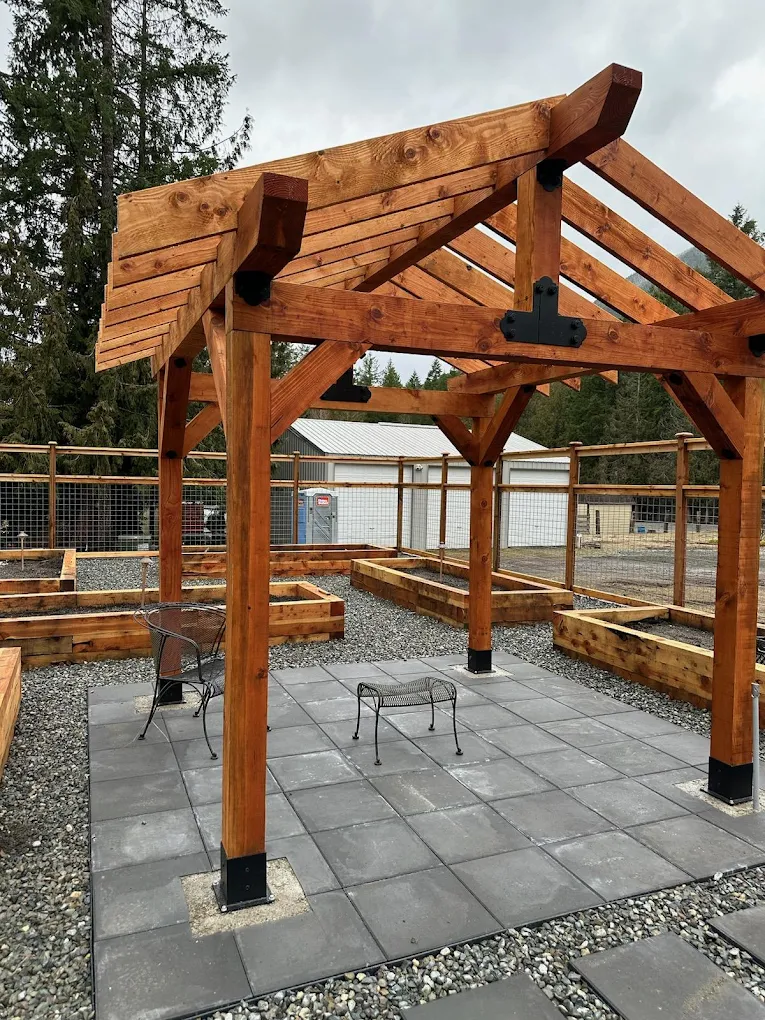
Site Analysis and Planning
Carrying out a thorough site analysis is the initial step in any effective outdoor space design. A ASLA member examines sun exposure to guide property grading decisions. They also consider local HOA guidelines to ensure legal adherence.
- Record existing trees, slopes, and utilities before creating
- Locate problem areas like sun shadows
- Use 3D modeling for accurate site planning
Creating Eco-Friendly Landscapes
Environmentally responsible planning goes beyond aesthetic appeal—it’s about energy-efficient performance. A skilled certified professional incorporates xeriscaping to prevent runoff. These solutions enhance soil health while meeting green standards.
- Add dry creek beds for natural drainage
- Opt for adaptive vegetation to conserve water
- Implement with permeable paving to replenish groundwater

Collaborating With Contractors
Efficient site development depends on professional communication between the design lead and subcontractors. The architect guides the build to copyright design quality. This teamwork helps manage emergency landscape repair without compromising aesthetic vision.
Creating Construction Documentation
Detailed construction documents are essential for turning design concepts into built reality. A licensed landscape architect produces drawings that meet engineering standards. These blueprints guide hardscape design, ensuring every detail is safely installed.
Finding a Qualified Landscape Expert
Picking the Ideal Design Partner
Finding the best local landscape architect near me starts with narrowing your project goals. Look for a proven professional with a impressive portfolio in residential landscaping. Review their use of native plants to ensure creative vision.
Must-Ask Interview Questions
Ahead of signing a contract, probe potential landscape architects about their approach. Obtain examples of past work in design styles. Understand how they handle HOA submissions, and whether they offer design-build solutions. These inquiries help you reduce costly misunderstandings.
Verifying Licenses and Certifications
Not any yard stylist is a state-certified professional. Only a state-registered professional can approve plans for large-scale developments. Confirm their landscape architecture degree through your state board. This action protects you from uninsured providers and ensures professional results.
Finding Local Landscape Architects
Browsing for a regional certified expert increases the odds of site-appropriate results. Area-specific professionals understand soil types better than distant firms. Use online directories, ASLA member listings to connect with top outdoor space designers in your area.
Understanding the Difference Between Pros
Training, Degrees, and Legal Authority
Certified experts typically hold a master’s in planning and must pass the licensing test. This rigorous education covers public safety codes. In contrast, yard artists may be without formal training or legal authority, limiting their project size.
- A state-registered pro can sign off on grading plans
- Yard stylists often focus on small residential projects
- Architects are trained in safety aspects of commercial landscape architecture
Landscape Architect vs. Designer
While both landscape architects shape yard environments, their project scope differ. A licensed landscape architect handles large-scale construction. A yard decorator may excel in plant selection. Recognize the gap to hire the right pro for your vision.
Matching the Expert to Your Project
Considering a major renovation? Hire a ASLA member. For plant-focused updates like planting beds, a creative planner may suffice. Projects involving HOA approvals almost always require a licensed expert to ensure durability.
Legal Requirements for Landscape Practice
Practice laws for outdoor pros varies by region. Some states mandate a exam to use the title “design professional.” Others allow unlicensed consultants for residential work. Consistently research your HOA policies before hiring to avoid fines.
Typical Work by Landscape Architects
Revamping Home Outdoor Spaces
Reimagining a family space is one of the top requested services from landscape architects. From patios to softscape design, they blend style. Whether you want kid-friendly zones, a pro can optimize your outdoor square footage.
- Design multi-use zones for cooking
- Integrate privacy screens
- Choose recycled elements
Commercial Property Site Planning
Business property design requires code-compliant solutions. A certified professional leads site planning for hospitals. They ensure HOA guidelines while enhancing visitor experience through smart hardscape design.
Sustainable Stormwater Solutions
Infiltration basins are effective tools for runoff reduction. A certified professional designs them to absorb runoff using graded basins. These systems support sustainable landscaping while reducing strain on storm drains.
- Locate rain gardens in runoff paths
- Use water-tolerant species
- Create for 100-year storm events
Creating Functional Exterior Rooms
Exterior lifestyle spaces turns underused yards into year-round escapes. A landscape architect integrates kitchens with integrated transitions from indoors. They also address privacy needs, ensuring comfort and longevity. Whether you want a minimalist vibe, expert design makes it practical.
Pricing Insights and Financial Planning
Average Fees and Pricing Models
Estimating the price of hiring a ASLA member depends on client vision. Most charge flat fees, with averages ranging from $100–$250 per hour or 5–15% of total softscape design costs. Private yard projects often start around $3,000 for basic plans.
- Check flat-rate billing methods before signing
- Request if the design costs include site visits
- Consult an designer with bundled services for cost transparency
Elements Influencing Landscape Pricing
Several factors influence your final bill, including drainage needs. A complex commercial landscape architecture will demand more labor, materials, and engineering than a simple basic patio layout. Rain gardens may have higher upfront costs but offer long-term savings.
- High-end stone work increase costs significantly
- Stormwater management are critical in sloped yards and add to the budget
- Full-service landscape architects may offer cost efficiencies
Smart Ways to Save on Outdoor Renovations
Creating a appealing yard doesn’t require breaking the bank. Focus on phased implementation to spread costs over time. Prioritize native plants and repurpose existing hardscapes when possible. A ASLA member can help you enhance your budget with smart material selection.
Integrating gravel paths reduces long-term upkeep and installation costs. Consider DIY plantings while hiring experts for structural elements like retaining walls.
Getting Accurate Cost Estimates
Secure precise estimates by providing your local landscape architect near me with detailed wants. A site visit, survey, and clear scope prevent costly surprises. Always ask for itemized bids that separate design fees. Avoid vague quotes—licensed landscape architects typically offer the most accurate projections.
- Double-check that storm damage fixes aren’t hidden cost risks
- Seek at least three bids from reputable pros
- Clarify what happens if costs go over the initial estimate
Green Practices in Outdoor Architecture
Choosing Region-Appropriate Landscape Elements
Featuring regional species reduces water use, supports pollinators, and minimizes maintenance. These species thrive in your climate without fertilizers. Pair them with local stone to further lower your environmental footprint. A licensed landscape architect can design a resilient, regenerative yard.
- Drought-resistant perennials improve biodiversity
- Recycled content cut transportation emissions and costs
- Design-build firms often prioritize green sourcing
Stormwater Management Solutions
Faulty drainage leads to erosion control. A licensed landscape architect can implement dry creek beds to redirect runoff naturally. These features double as aesthetic elements in your yard. Permeable paving also reduce stormwater volume and comply with local codes.
If you're dealing with heavy rainfall or clay soil, proactive water routing are essential for long-term yard health and property value.
Drought-Smart Landscaping
Water-wise design isn’t just for deserts—it’s a smart choice for any yard aiming to optimize water usage. By combining drought-tolerant plants with efficient moisture sensors, you can slash water bills by up to 60%. A landscape designer tailors these systems to your sun exposure.
- Group plants by soil preference for maximum efficiency
- Incorporate soil moisture monitors to prevent overwatering
- Swap out thirsty lawns with native groundcovers
Supporting Pollinators and Local Species
Convert your yard into a living habitat by integrating bird feeders, pollinator gardens, and shelter zones. Use flowering perennials to attract butterflies. A certified professional skilled in habitat restoration can balance beauty with environmental stewardship.
Limit chemical use and incorporate water features like shallow ponds to support local wildlife year-round.
Regulatory Compliance in Landscape Projects
Zoning Laws and Setbacks
Prior to breaking ground, confirm your project complies with local land use codes. These rules dictate how close structures like outdoor kitchens can be to property lines, streets, or wetlands. A certified professional familiar with your jurisdiction can guide you through these limitations and avoid costly violations or forced removals.
- Yard coverage limits vary by HOA
- Property grading must not redirect water onto neighboring lots
- Commercial landscape architecture face stricter zoning than residential landscaping
Obtaining Construction Permits
Major projects like retaining walls often require municipal inspections. Your design-build firm may handle the submission, including site plans, engineering details, and drainage calculations. Skipping this step risks fines, halted construction, or issues when selling your home. Always verify permit needs with your local building department or an certified landscape designer.
Approval durations can affect your project’s start date, so plan accordingly.
HOA Approval Requirements
When you live in a community with an HOA, your outdoor space design must align with HOA guidelines. Submit detailed plans—including materials, colors, and plant types—to avoid rejection. A licensed landscape architect experienced with neighborhood standards can help you craft an appealing, rule-following proposal that gets approved faster.
- Some HOAs restrict lighting types
- Provide before-and-after images to strengthen your case
- Work with a pro who’s resolved HOA challenges before
Compliance with Local Codes
Beyond zoning and HOAs, your project must meet electrical codes. Think: railings on elevated decks, safe electrical for lighting, and ADA-compliant pathways. A design-build firm ensures every detail—from retaining wall engineering—meets legal requirements. This protects you from liability and costly retrofits down the line.
Erosion fixes may also require code-compliant solutions, especially after major weather events.
Common Questions Related to Landscape Architect FAQs
What’s the Difference Between a Yard Architect and a Builder?
Landscape architects typically hold a landscape architecture degree, are often part of national design networks, and specialize in outdoor space design. In contrast, maintenance crews usually focus on planting rather than comprehensive softscape design.
Creative agencies may combine both roles, but only a ASLA-affiliated designer can legally sign off on commercial landscape architecture. For outdoor living design, hiring a qualified architect ensures your vision aligns with structural and environmental standards.
Do I Need a Professional Yard Expert?
You’ll benefit from a ASLA member if your project involves property grading, especially in areas governed by strict HOA guidelines. These experts apply their advanced training to create functional, beautiful spaces that meet both aesthetic and legal goals.
For sustainable landscaping, a ASLA-affiliated architect brings credibility, liability protection, and access to advanced techniques like permeable paving. Even for smaller jobs, have a peek at this website consulting an local landscape architect near me can enhance property value.
Understanding the Garden Layout Fees?
Professional pricing models vary based on property size, with most professionals charging either a flat fee, hourly rate, or percentage of total contractor bids. A ASLA member might charge 12–18% of the overall budget for full-service garden design.
For small yard upgrades, you may find an affordable landscape architect offering reduced rates or package deals. However, investing in a ASLA-affiliated firm often pays off through proper drainage solutions.
Will a Garden Expert Help With Sustainable Landscape Design?
Absolutely — green outdoor solutions is a core strength of most ASLA members. They use strategies like native plants and low-water landscapes to reduce resource use and support local ecosystems.
Experts also integrate green drainage solutions into commercial landscape architecture to combat erosion and improve water absorption. By aligning with eco-certifications, these professionals ensure your outdoor space design supports both beauty and environmental responsibility.
Where Can I Locate a Local Landscape Designer Near Me?
Start by searching for a certified professional in your region, and verify credentials like a valid professional certification. Look for portfolios showcasing experience in commercial landscape architecture to ensure they match your specific needs.
- Check online ratings, client testimonials, and completed projects to assess budget adherence
- Ask if they offer full-service solutions including emergency landscape repair
- Book a consultation to discuss your vision, budget, and how they handle challenges like native plant integration
Working with a ASLA-affiliated architect streamlines communication and increases the likelihood of a seamless, stress-free transformation for your commercial property.